
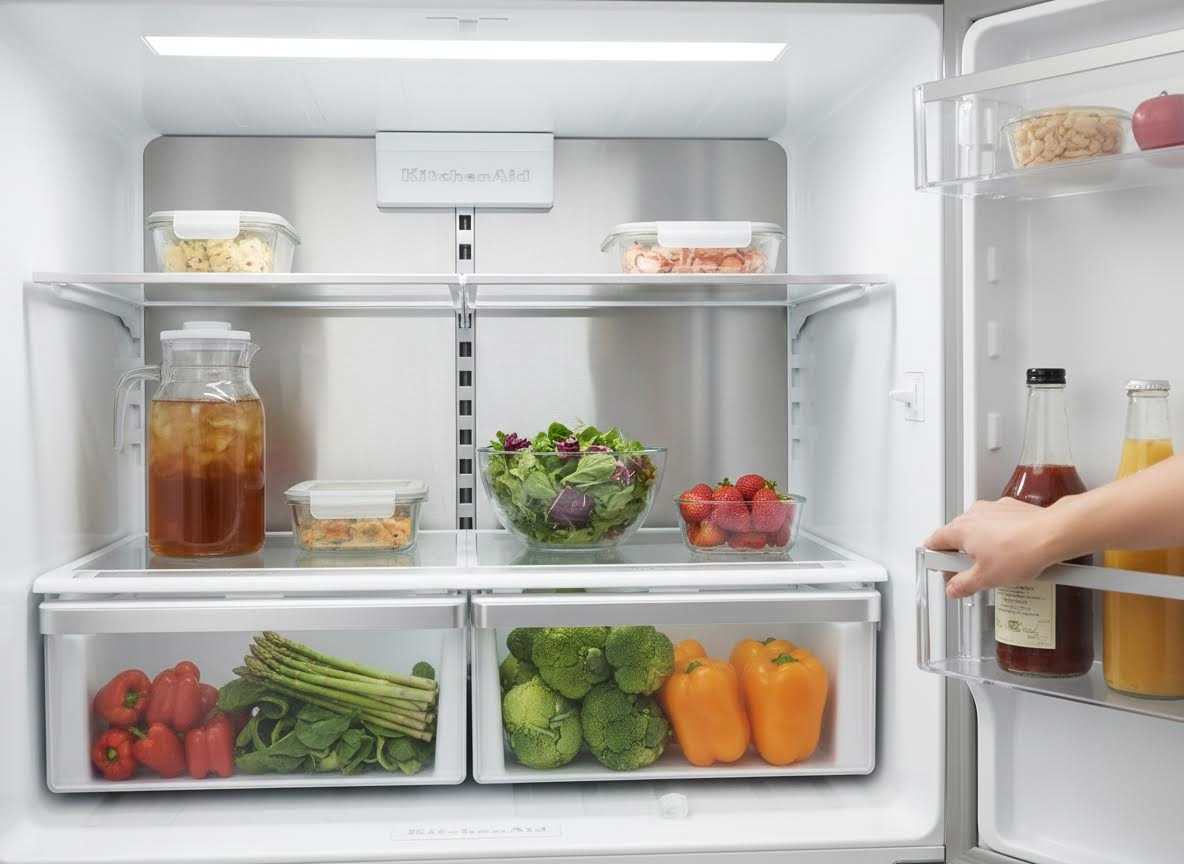
Having your KitchenAid refrigerator suddenly stop cooling can be incredibly frustrating and inconvenient, threatening your food supply and disrupting your daily routine. Before you panic, many common issues can cause this problem, some of which you might be able to address yourself. This post will guide you through typical troubleshooting steps and help you understand when it's time to call in the experts, like our team at Bilder Appliance Repair!
Check Power, Settings, and Door Seals
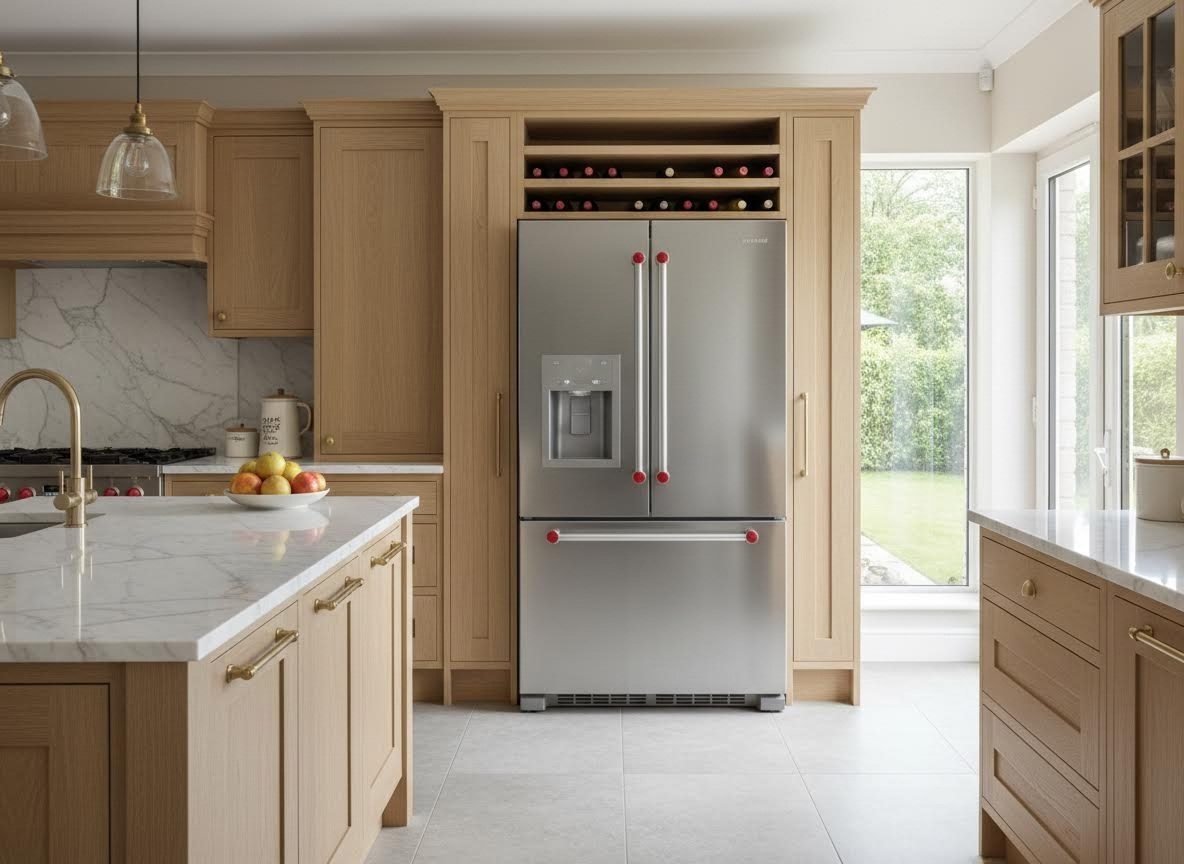
Start with the simplest solutions. First, ensure your refrigerator is properly plugged into a functioning outlet and that the circuit breaker hasn't tripped. Sometimes, a loose connection or a power surge can be the culprit. Next, verify your KitchenAid refrigerator's temperature settings. They might have been accidentally adjusted, perhaps to a warmer setting. Finally, inspect the door gaskets. Worn, cracked, or dirty door seals prevent a tight close, allowing warm air to seep in and causing the refrigerator to work harder without success. Cleaning the seals or replacing faulty ones can often resolve cooling issues.
Inspect Coils and Fans
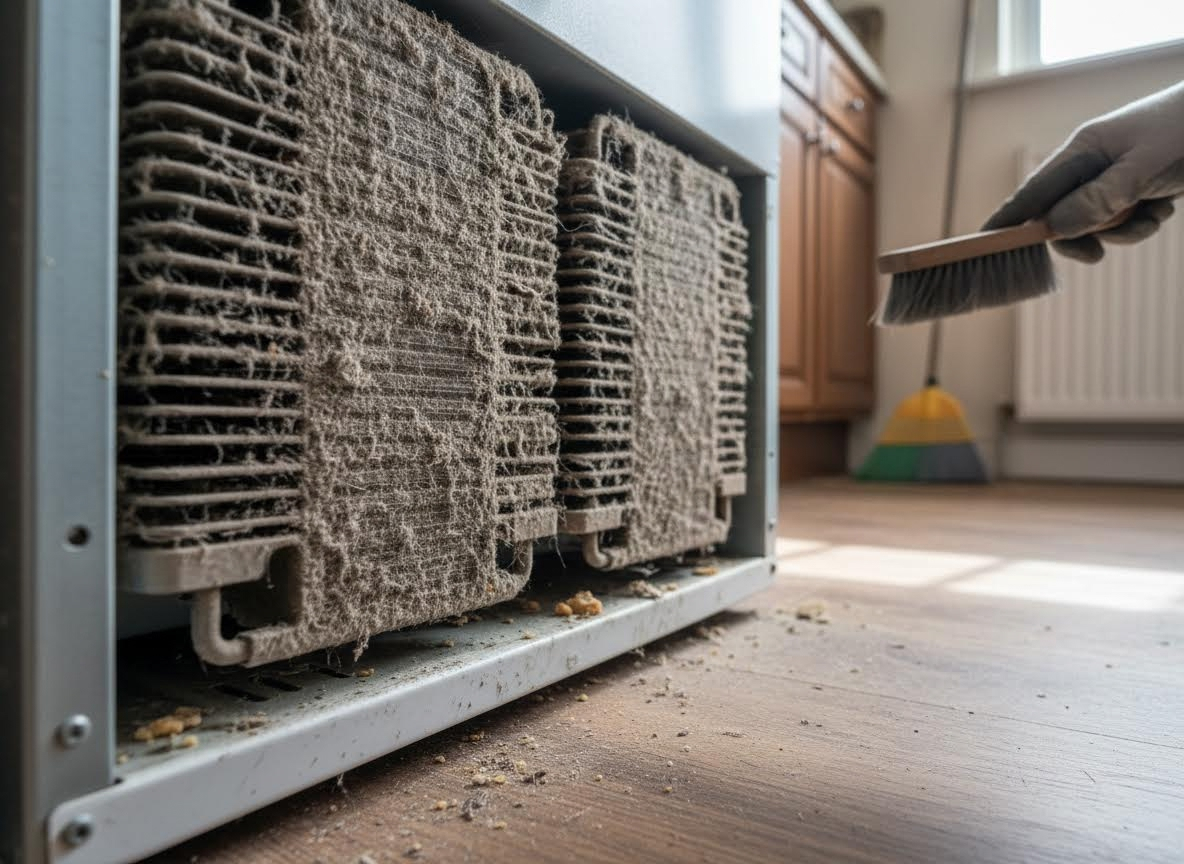
If the basic checks don't solve the problem, delve into the internal components. The condenser coils, usually located on the back or underneath your refrigerator, can accumulate dust and debris. When these coils are dirty, they can't efficiently dissipate heat, leading to poor cooling performance. Carefully unplug the appliance and clean the coils with a vacuum or brush. Additionally, listen for the evaporator fan, typically found inside the freezer compartment. This fan circulates cold air throughout the refrigerator. If it's not running, or if there's ice buildup obstructing its blades, the cold air won't reach the fresh food compartment effectively.

When to Call a Professional Appliance Repair Company
While some problems are DIY-friendly, many cooling issues require the expertise of a professional appliance repair company. Complex issues like a malfunctioning compressor, a refrigerant leak, or a faulty control board are not only difficult to diagnose accurately without specialized tools but also dangerous to attempt to repair without proper training. These components are vital to your refrigerator's operation, and improper handling can lead to further damage or safety hazards. If you've tried the common fixes and your KitchenAid refrigerator still isn't cooling, it's a clear sign that professional intervention is needed.
A non-cooling refrigerator demands prompt attention to prevent food spoilage and further damage to the appliance! For more detailed information on appliance maintenance or to schedule a service, explore our comprehensive online resources.