
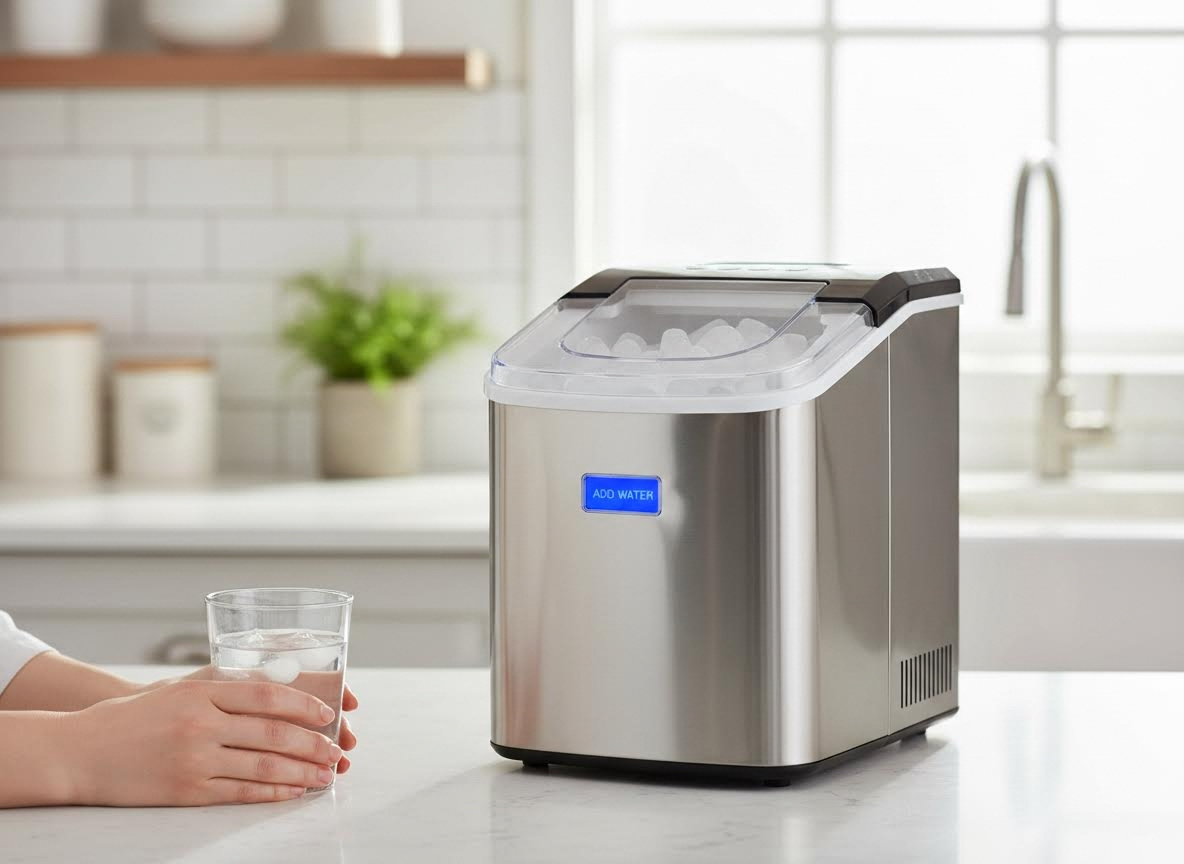
A malfunctioning icemaker can disrupt daily routines, especially when you're looking forward to a refreshing cold drink. If your Frigidaire icemaker has stopped producing ice, it's a common household frustration that often points to a few specific issues. As a trusted appliance repair company, Bilder Appliance Repair understands these challenges and is here to provide knowledgeable insights into why your icemaker might be on strike. Understanding the potential causes can help you troubleshoot or determine when it’s time to call in our professionals.
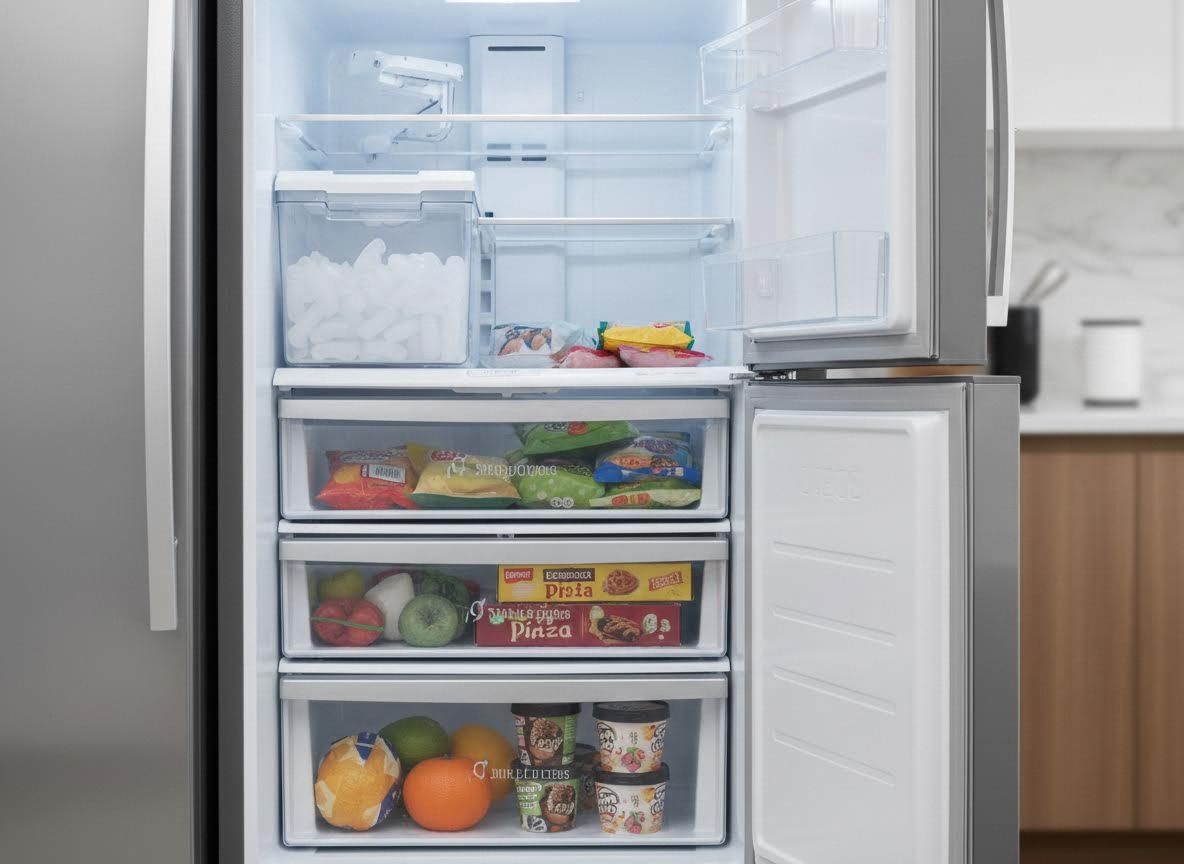
Checking the Water Supply Line and Filter
One of the most frequent culprits behind an uncooperative icemaker is an issue with its water supply. The icemaker requires a steady flow of water to function, and any interruption can halt ice production entirely. Start by checking the water filter, as a clogged or old filter can significantly reduce water flow, preventing the icemaker from filling. If you haven't replaced it in a while, this is a good first step. Next, inspect the water line connected to the back of your refrigerator. It can become kinked or, in colder environments within the freezer, even freeze, blocking the water path. A faulty water inlet valve, which controls the water flow into the icemaker, could also be to blame. If the valve isn't opening correctly, water simply won't reach the ice mold.
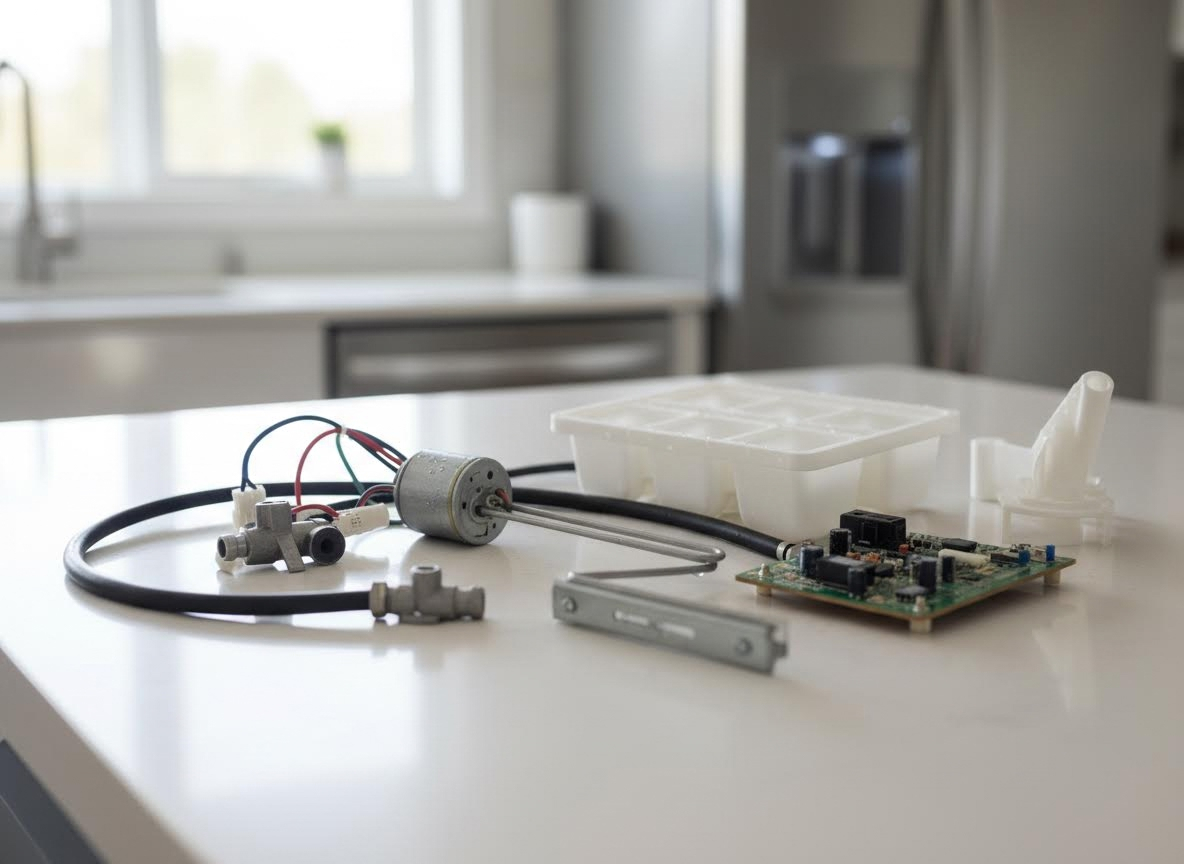
Diagnosing the Icemaker Module and Components
Beyond the water supply, the icemaker itself is a complex mechanism with several parts that can fail. The icemaker module, which is the brain of the operation, can malfunction due, for example, to a broken motor or an electrical issue. This module controls the entire ice-making cycle, from filling the tray to ejecting the ice. Another common problem lies with the ejector arms, which are responsible for pushing the ice cubes out of the mold. If these arms are broken, bent, or if there's an obstruction preventing their movement, ice will remain stuck. These machines also contain a bimetal thermostat that senses the temperature of the ice mold; if this thermostat fails, the icemaker won't know when to cycle, leading to no ice production.
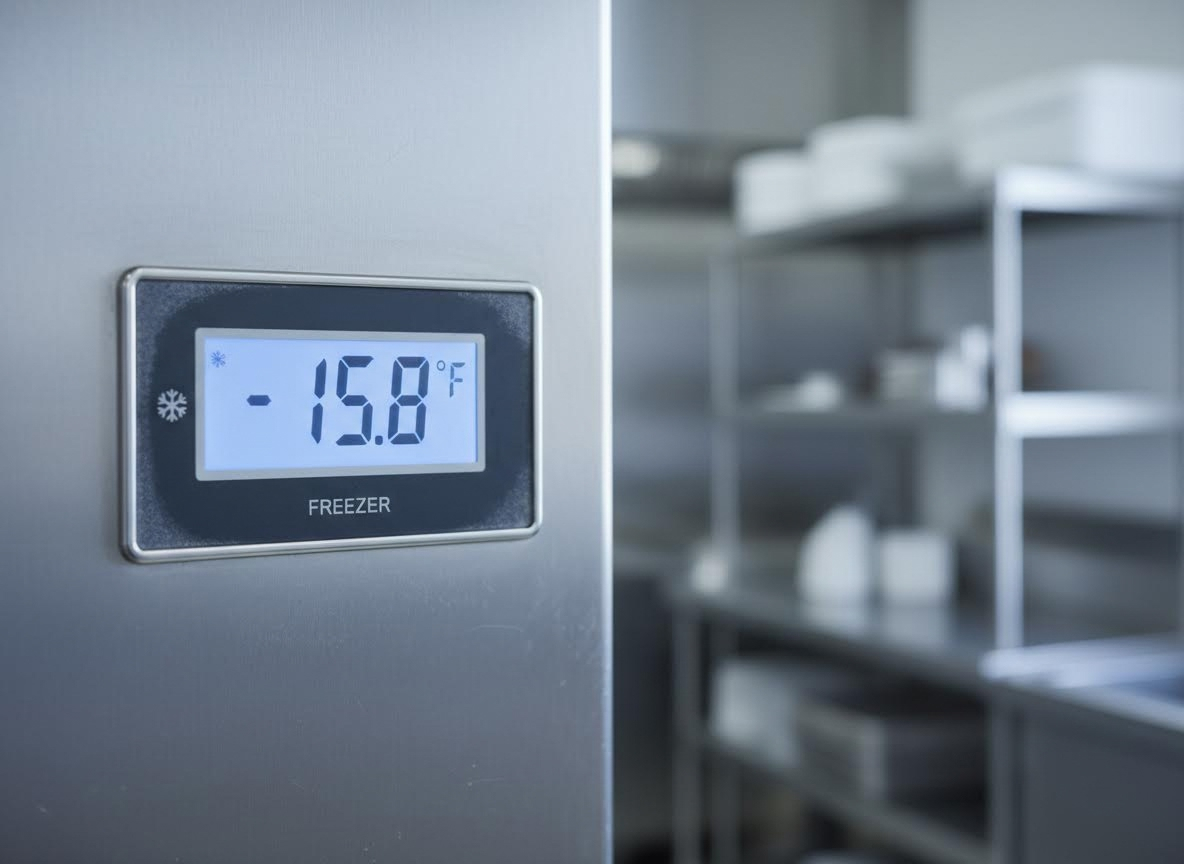
Environmental Factors and Settings
Sometimes, the problem isn't with the Frigidaire icemaker components, but with the environment it operates in. The freezer temperature is crucial for ice production. If your freezer is set too warm or isn't maintaining a consistent cold temperature (ideally 0°F or -18°C), the water in the icemaker tray won't freeze properly or quickly enough. Blocked air vents inside the freezer can also hinder proper cooling, creating warmer spots. It's also possible that a faulty door seal is allowing warm air to seep into the freezer, causing temperature fluctuations that impact ice production and potentially leading to frost buildup that jams the icemaker. Before assuming a major breakdown, always ensure your freezer settings are correct and that the door seals are intact.
Local, Professional Assistance for Complex Issues
While some icemaker problems can be resolved with simple troubleshooting steps, many require the expertise of appliance repair experts. If you've checked the water supply, filter, and freezer settings, and your Frigidaire icemaker still isn't producing ice, it's likely time for a more in-depth diagnosis. Dealing with electrical components, specific module replacements, or intricate water valve repairs often requires specialized tools and knowledge, and attempting complex repairs without proper training can lead to further damage or safety risks. Seeking out an experienced appliance repair company is the most prudent course of action.
Bilder Appliance Repair, with our team of skilled technicians, is ready to provide the efficient and honest service you need. If you're struggling to get your Frigidaire icemaker back in working order, creach our to a local professional to explore your repair options!